Домашното полнење е најзгодниот и најекономичен начин за полнење на вашето ЕВ. Ако имате посветено паркинг место со пристап до електрична енергија, веројатно можете да полните дома. Еве сè што треба да знаете.
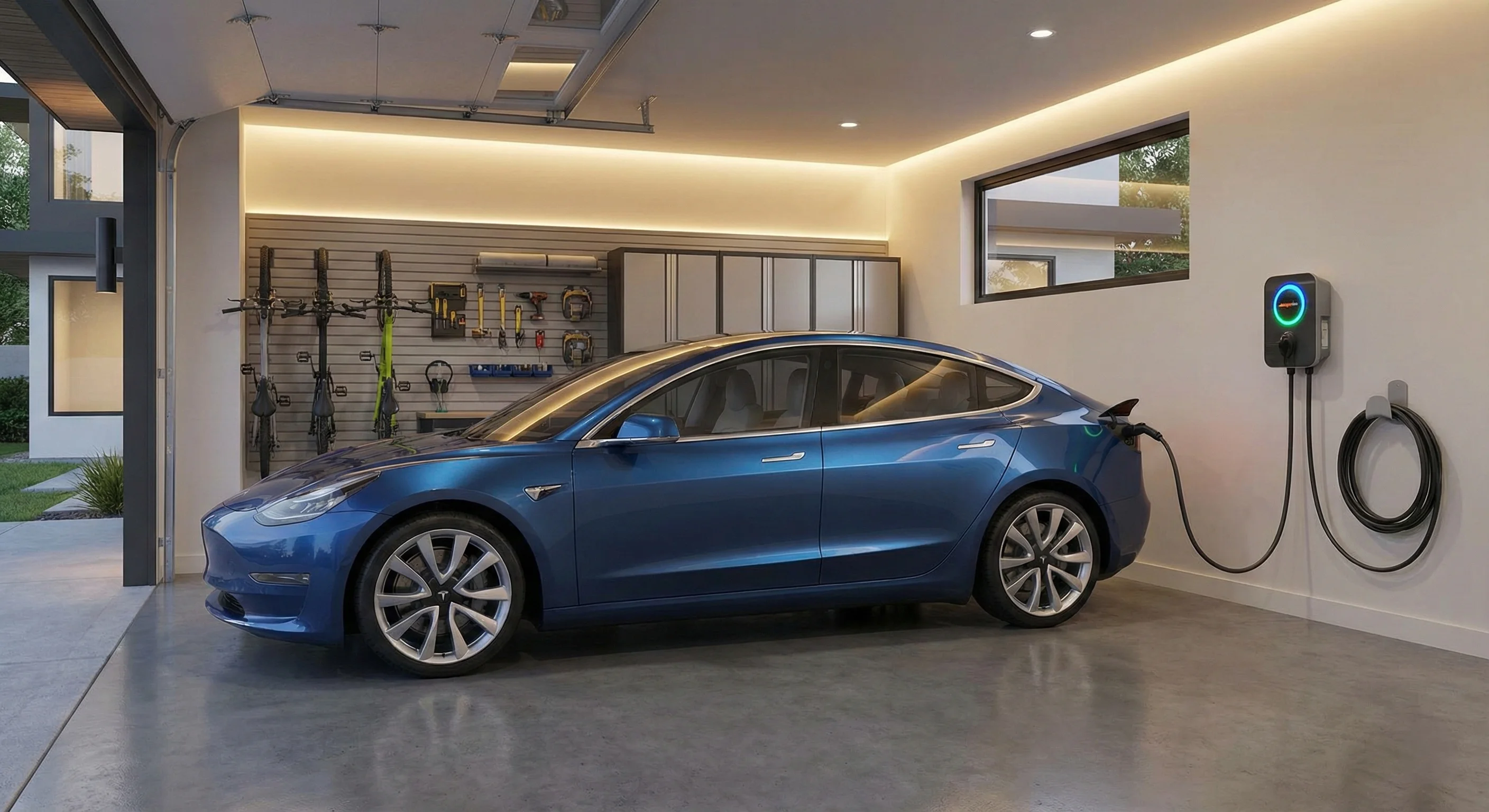
Основни Барања
Посветено Место за Паркирање
Ви треба постојана локација за паркирање каде што можете да инсталирате полнач или да пристапите до штекер. Ова може да биде:
- Приватна гаража
- Патека за возила
- Настрешница за автомобил
- Доделено паркинг место (со одобрение од станодавачот)
Пристап до Електрична Енергија
Вашето паркинг место треба да биде на разумно растојание од вашата електрична табла (обично максимум 15-30 метри).
Соодветен Електричен Капацитет
Електричната табла на вашиот дом треба да има доволен капацитет. Повеќето модерни домови (изградени по 1990) имаат соодветна услуга. Постарите домови можеби ќе требаат надградби.
Дозвола (ако изнајмувате)
Ако изнајмувате, ќе ви треба одобрение од станодавачот. Многу држави имаат закони за „право на полнење“ кои бараат од станодавачите да дозволат инсталација на полнач на трошок на станарот.
Опции за Домашно Полнење
Ниво 1: Стандарден Штекер
Предности:
- • Не е потребна инсталација
- • Бесплатно (користи постоечки штекер)
- • Работи насекаде
Недостатоци:
- • Многу бавно (помалку од 8-10 км/час)
- • Потребни се 40+ часа за целосно полнење
- • Практично само за PHEV или многу мала километража
Најдобро за: Итна резерва, PHEV, или ако возите помалку од 30 милји/50 км дневно
Ниво 2: 240V Полнач (Препорачано)
Предности:
- • Брзо полнење (40-65 км/час)
- • Целосно полнење преку ноќ
- • Справува со секакво дневно возење
- • Додава вредност на домот
Недостатоци:
- • Бара професионална инсталација
- • Однапред трошок ($500-2,000)
- • Можеби ќе треба надградба на електричната табла
Брзина на Полнење: 7.2-11 kW типично (40-65 км досег на час)
Најдобро за: 95% од сопствениците на ЕВ - златната средина за домашно полнење
Процес на Инсталација
Изберете го Вашиот Полнач
Популарни опции вклучуваат:
- ChargePoint Home Flex
- Grizzl-E
- JuiceBox
- Tesla Wall Connector
Земете Понуди од Електричари
Контактирајте 2-3 лиценцирани електричари за понуди. Барајте такви со искуство во инсталација на полначи за ЕВ.
Проценка на Локацијата
Електричарот ќе ја процени вашата електрична табла, ќе го одреди растојанието за жици и ќе провери дали е потребна надградба на таблата.
Обезбедете Дозволи
Електричарот обично се справува со апликациите за дозволи (задолжителни во повеќето области).
Инсталација
Професионалната инсталација обично трае 3-8 часа во зависност од сложеноста.
Инспекција и Активирање
Локалниот инспектор проверува дали инсталацијата ги исполнува кодовите, потоа сте подготвени за полнење!
Трошоци за Инсталација
Типична Распределба на Трошоци
Достапни Стимулации
- • Федерален Даночен Кредит: 30% од трошоците за инсталација (до $1,000)
- • Попусти од Комуналии: Многу енергетски компании нудат попусти
- • Државни/Локални Стимулации: Дополнителни попусти во некои области
- • Стимулации за Купување ЕВ: Некои вклучуваат кредит за инсталација на полнач
Месечни Оперативни Трошоци
Пример: 1,000 милји (1,600 км)/месечно
ЕВ (3 милји/kWh ефикасност):
333 kWh × $0.13/kWh = $43/месечно
Автомобил на гас (28 MPG):
36 галони × $3.50/гал = $126/месечно
Месечна Заштеда: $83
Годишна Заштеда: $996
Функции за Паметно Полнење
WiFi Поврзување
Контролирајте и следете го полнењето од вашиот телефон, закажувајте времиња за полнење, следете ја потрошувачката на енергија.
Закажување според Време на Користење
Автоматски полнете за време на часовите надвор од шпиц кога електричната енергија е најевтина.
Балансирање на Оптоварување
Ја прилагодува брзината на полнење за да спречи преоптоварување на електричниот систем во вашиот дом.
Соларна Интеграција
Некои полначи можат да дадат приоритет на соларната енергија кога е достапна, максимизирајќи ја употребата на зелена енергија.
Жители во Станови и Кондоминиуми
Знајте ги Вашите Права
Многу држави имаат закони за „право на полнење“:
- Калифорнија, Колорадо, Флорида, Хаваи, Орегон и други
- Станодавачите не можат неразумно да одбијат барања за инсталација
- Станарот обично ги плаќа трошоците за инсталација
Чекори за Изнајмувачи
- Проверете дали зградата веќе има полнење за ЕВ
- Прегледајте го вашиот договор за закуп и локалните закони
- Земете понуда за инсталација од електричар
- Поднесете формално писмено барање до станодавачот
- Понудете да ги платите сите трошоци и да го вратите во првобитна состојба при иселување
- Размислете за пренослив полнач ако инсталацијата е одбиена
Заклучок
Ако поседувате свој дом: Инсталирањето на полнач Ниво 2 е едноставно и високо препорачано. Трошокот е $700-2,000 со достапни стимулации.
Ако изнајмувате: Прво проверете ги удобностите на зградата, потоа побарајте дозвола за инсталација.
ROI: Домашното полнење штеди $800-1,500 годишно на гориво. Инсталацијата се исплати за 1-2 години.
Удобност: Будењето со полна батерија секој ден е голема промена. Повеќето сопственици велат дека никогаш не би се вратиле на бензински пумпи.