Bár bárki, aki ismeri a benzines autó vezetését, gond nélkül el tud vezetni egy elektromos járművet, az EV-knek van néhány egyedi vezetési tulajdonságuk, amelyek határozottan eltérő - és sokak szerint jobb - vezetési élményt nyújtanak. Fedezzük fel, mi teszi különlegessé az EV vezetését.
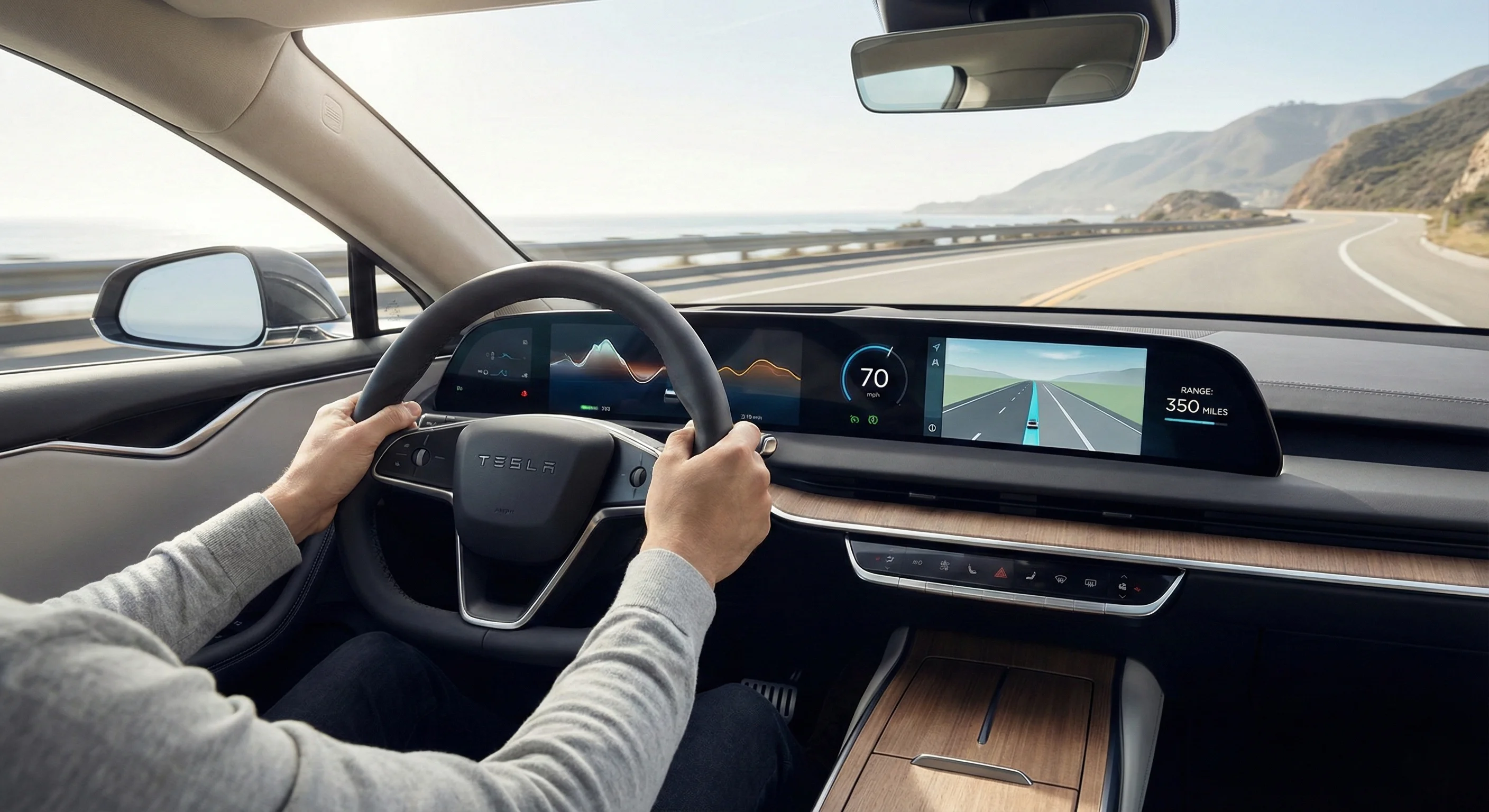
Csendes Működés
Ez nyilvánvalónak tűnhet, de egy EV (vagy hibrid EV módban) nem ad ki jelentős zajt. Ha még sosem vezetett EV-t, ez eleinte kicsit furcsa lehet. Talán nem is biztos benne, hogy az autó "be van kapcsolva", amíg "D"-be nem teszi és el nem indul némán.
A Csend Hatása
- Nyugodt Utastér: Motorzaj nélkül ténylegesen hallhatja a zenét, a beszélgetéseket, vagy egyszerűen élvezheti a csendet.
- Kevesebb Fáradtság: A folyamatos motorzúgás hiánya csökkenti a vezetői fáradtságot hosszú utakon.
- Gyalogos Figyelmeztetés: 2020 szeptembere óta az amerikai előírások megkövetelik, hogy az EV-k mesterséges zajt bocsássanak ki alacsony sebességnél a gyalogosok figyelmeztetésére. Minden gyártónak saját megközelítése van, és néhányan még a hang testreszabását is lehetővé teszik.
Sok EV sofőr számol be arról, hogy miután megtapasztalták az elektromos jármű csendjét, a benzines autók hangosnak és nyersnek tűnnek ehhez képest. A csend az egyik legértékeltebb aspektusává válik az EV tulajdonlásnak.
"Mindig Bekapcsolt" Természet
A legtöbb esetben az EV-k csatlakoztatott eszközök, amelyek inkább úgy működnek, mint egy óriási laptop, semmint egy hagyományos autó. Amikor a "be" vagy "kikapcsolásról" van szó, néhány EV ezeket a fogalmakat a "kész" móddal helyettesíti.
Az EV Indítása
- • Nincs motor, amit "be kell indítani" - csak felébreszti a rendszereket
- • Azonnali készenlét - nincs szükség bemelegítésre
- • Néma aktiválás - csak nyomja meg a féket és váltson sebességet
- • Néhány EV-ben még indítógomb sincs
Az EV Parkolása
- • A rendszerek alacsony fogyasztású "alvó" módba lépnek
- • Továbbra is csatlakoztatva és figyelve
- • Okostelefonos alkalmazással vezérelhető
- • Azonnal felébred, amikor visszatér

Azonnali Nyomaték
Az első dolog, amit az emberek észrevesznek elektromos autó vezetésekor, hogy milyen hihetetlenül gyorsak.
A gázpedál az elektromosság sebességével reagál - nincs több várakozás, hogy a benzinmotor elégessen üzemanyagot és felpörögjön. Egy elektromos autóban az autó erejének 100%-a rendelkezésre áll abban a pillanatban, ahogy lenyomja a gázpedált.
Miért Érződik Olyan Gyorsnak
Maximális Nyomaték 0 Fordulatszámtól: Ellentétben a benzinmotorokkal, amelyeknek fel kell pörögniük a csúcsteljesítmény eléréséhez, az elektromos motorok azonnal leadják maximális nyomatékukat.
Nincs Váltási Késedelem: A legtöbb EV egysebességes váltót használ, így nincs várakozás visszakapcsolásra vagy sebességváltásra. Nyomja meg a pedált, és indul - azonnal.
Lineáris Erőleadás: Az erő simán és kiszámíthatóan érkezik, így könnyen kontrollálható, miközben hihetetlenül reszponzívnak érződik.
Valós Hatás
Ez az azonnali nyomaték átalakítja a mindennapi vezetést:
- • Az autópályára való felhajtás erőfeszítés nélküli és biztonságos
- • A lassabb forgalom előzése gyors és magabiztos
- • Még a "takarékos" EV-k is sportosnak és reszponzívnak érződnek
- • A teljesítményorientált EV-k gyorsulásban felvehetik a versenyt a szuperautókkal
Lényeg: GYORSNAK érződik. Sok sofőr írja le első EV gyorsulását "mosolyt fakasztó" vagy akár "függőséget okozó" élményként.
Regeneratív Fékezés
A második dolog, amit az emberek általában észrevesznek elektromos jármű vezetésekor, szinte azonnal az első gyorsítás után történik.
Amikor leveszi a lábát a gázpedálról, az autó drámaibban kezd lassulni, mint egy benzines autó tenné. Olyan érzés, mintha valaki finoman nyomná a féket (még akkor is, ha Ön nem teszi). Ha ismeri a kézi váltós vezetést vagy a haszongépjárműveket, az érzés hasonló a "motorfékhez".
Hogyan Működik a Regeneratív Fékezés
Amit érez, azt "Regeneratív Fékezésnek" vagy röviden "Regen"-nek hívják. Az autó visszanyeri a lassításkor elvesző energia egy részét, és visszatáplálja azt az akkumulátorba későbbi felhasználásra.
A Folyamat: Amikor felengedi a gázpedált, az elektromos motor "motor módból" "generátor módba" vált. Ahelyett, hogy áramot fogyasztana a mozgáshoz, a jármű mozgását használja áramtermelésre, amit visszatárol az akkumulátorba. Ez a folyamat ellenállást hoz létre, ami lelassítja a járművet - és ezt az ellenállást érzi regeneratív fékezésként.
A Regen Előnyei
- • Növelt Hatékonyság: Visszanyeri az energia 10-30%-át tipikus vezetés során
- • Megnövelt Hatótáv: Kilométereket ad hozzá az akkumulátorhoz
- • Hosszabb Fékélettartam: A fékbetétek akár 160 000+ km-t is kibírnak
- • Csökkentett Karbantartás: Kevesebb kopás a súrlódó fékeken
Hozzászokás
- • Pár vezetésbe telik, mire természetesnek érződik
- • Megtanulja modulálni a gázpedállal
- • Sok EV lehetővé teszi a regen erősségének állítását
- • A legtöbb sofőr végül jobban szereti
Néhány ember eleinte nem szereti a regent, mert szokatlannak érződik.ások azonnal megszeretik, mert segít lassítani a fékpedál használata nélkül. A jó hír az, hogy sok EV lehetővé teszi a regeneratív fékezés mértékének beállítását, megváltoztatva, mennyire drámaian lassul az autó, amikor leveszi a lábát a gázról.

Egypedálos Vezetés
Az egypedálos vezetés egy olyan funkció, ahol az autó hagyja, hogy a regeneratív fékezés teljesen megállítsa a járművet anélkül, hogy érintenie kellene a fékpedált. Egyszerűen emelje le a lábát a gázról, és az autó lineárisan, kiszámíthatóan lassulni kezd, amíg teljesen meg nem áll.
Hogyan Változtatja Meg a Vezetést
Az egypedálos vezetéssel egyetlen pedállal szabályozza a gyorsítást és a lassítást is:
- Lenyomás: Az autó simán és erőteljesen gyorsul
- Tartás: Az autó tartja a sebességet
- Felengedés: Az autó fokozatosan lassul, amíg megáll
A Tanulási Görbe
Az egypedálos vezetés elsajátítása gyakorlást igényel:
- • Első Néhány Vezetés: Furcsának tűnik és koncentrációt igényel
- • Egy Hét Után: Kezd természetesebbnek érződni
- • Egy Hónap Után: Második természetté válik
- • Hosszú Távon: Sok sofőr nehezen tér vissza a hagyományos fékezéshez
Előnyök a Forgalomban
Az egypedálos vezetés igazán a dugókban ragyog. Ahelyett, hogy folyamatosan a gáz és a fék között járatná a lábát, csak a gázpedállal szabályozhatja a sebességet. Ez sokkal nyugodtabb, kevésbé fárasztó vezetési élményt teremt csúcsforgalomban.
Important Note: Nem minden EV kínál egypedálos vezetést, és néhányban a beállításokban kell engedélyezni. A fékpedál mindig ott van, ha vészfékezésre vagy agresszívebb lassításra van szükség - csak lehet, hogy kevesebbet fogja használni!
Vezetési Módok és Testreszabás
A legtöbb EV több vezetési módot kínál, amelyek megváltoztatják a jármű viselkedését és teljesítményjellemzőit:
Eco Mód
- • Maximalizálja a hatékonyságot és a hatótávot
- • Finomabb gázreakció
- • Optimalizált klímavezérlés
- • Megnövelt regeneratív fékezés
Normál Mód
- • Kiegyensúlyozott teljesítmény és hatékonyság
- • Standard gyorsulás
- • Mérsékelt regen fékezés
- • Legjobb a mindennapi vezetéshez
Sport Mód
- • Maximális teljesítmény
- • Azonnali gázreakció
- • Élesebb kormányzás
- • Csökkent hatótáv
Az Átfogó Vezetési Élmény
Egy Másfajta Kapcsolat
Egy EV vezetése másfajta kapcsolatot teremt a járművel. Az azonnali reakció, a sima erőleadás és a csendes működés miatt jobban összekapcsolódva érzi magát a vezetési élménnyel. Nincs mechanikai késés a bemenet és az autó reakciója között - szinte telepatikusnak érződik.
Izgalmasabb, Kevésbé Fárasztó
Az azonnali nyomaték, az egypedálos vezetés és a csendes működés kombinációja olyan vezetési élményt teremt, amely egyszerre izgalmasabb és kevésbé fárasztó. Nagyobb kontrollja és jobb reakcióideje van, de kevesebb erőfeszítéssel és stresszel - különösen forgalomban.
A "Mosoly Faktor"
Kérdezzen meg bármilyen EV tulajdonost az első gyorsulási élményéről, és valószínűleg mosolyogni fog. Az az azonnali nyomaték, kombinálva a sima, csendes leadással, olyan örömteli vezetési élményt teremt, amit sokan függőséget okozónak írnak le. Még a rutinszerű utak is élvezetesebbé válnak.
A Lényeg
Egy elektromos jármű vezetése alapvetően különbözik egy benzines autóétól - és a legtöbb ember szerint a jó értelemben különbözik. Az azonnali nyomaték, a sima működés, a regeneratív fékezés és a csendes utastér kombinációja kifinomultabb, reszponzívabb és élvezetesebb vezetési élményt teremt.
Bár van egy rövid tanulási görbe, különösen a regeneratív fékezéssel és az egypedálos vezetéssel, a legtöbb sofőr gyorsan alkalmazkodik, és úgy találja, hogy jobban szereti az EV vezetési élményét. Sokan számolnak be arról, hogy elektromos vezetés után a benzines autók lomhának, hangosnak és nyersnek érződnek.